
Best Alpaca Yarn for Socks: What to Look For

Alpaca yarn is a popular choice for sock knitting because it is warm and soft. For durability, blends with nylon or merino are a good idea, while alpaca on its own is known for its softness.
Here’s a quick rundown of the yarn types covered:
- Indiecita DK Alpaca: Thick, plush, and warm. Great for house or boot socks. Requires hand washing.
- Alpaca-wool-nylon blend yarn: A practical everyday option. Check the ball band for care instructions.
- Baby alpaca fingering yarn: Very soft. Best for special occasion socks.
- Merino-alpaca-nylon blend yarn: Combines alpaca, merino, and nylon for comfort and durability. Check the ball band for care instructions.
Quick Comparison:
| Yarn Name | Fiber Blend | Weight | Care |
|---|---|---|---|
| Indiecita DK Alpaca | Alpaca | DK | Hand wash |
| Alpaca-wool-nylon blend | Alpaca, wool, nylon | Fingering | Check ball band |
| Baby alpaca fingering yarn | Baby alpaca | Fingering | Hand wash |
| Merino-alpaca-nylon blend | Merino wool, alpaca, nylon | Fingering | Check ball band |
Pick blends for everyday use and durability, and alpaca on its own for softness and warmth. Always follow care instructions to prevent felting or shrinking.
Summer Sock Knitting Techniques and Yarns
1. Indiecita DK Alpaca
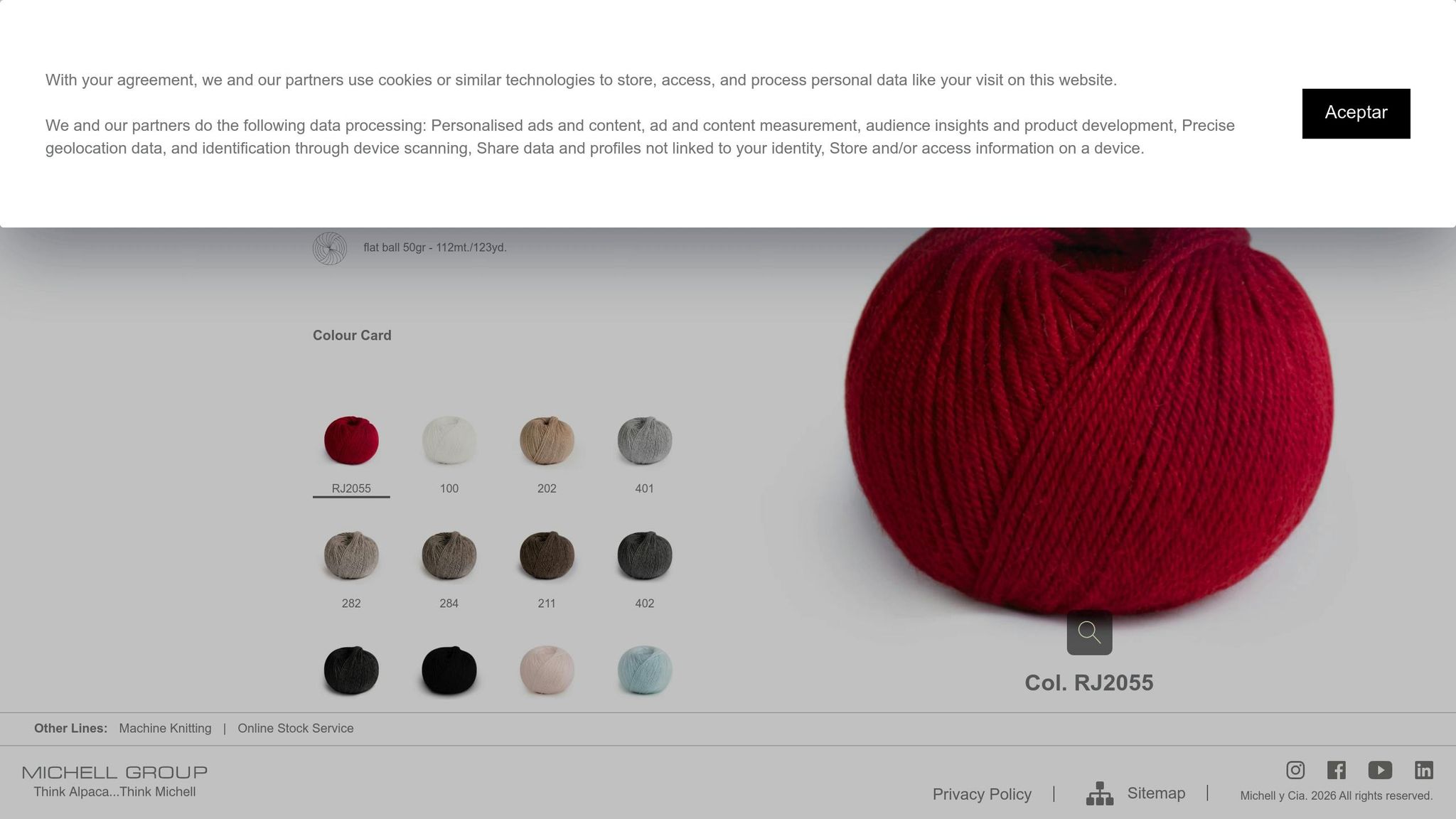
Indiecita DK Alpaca offers a thicker option compared to standard fingering weight yarns, making it a go-to choice for knitters seeking extra warmth and a cushioned feel for their socks. The DK (Double Knit) weight creates a fabric that feels plush and substantial, yet avoids feeling overly heavy. Let’s break down why this yarn is a favorite for sock projects, focusing on its softness, durability, warmth, and care needs.
Softness and Comfort
One of the standout features of Indiecita DK Alpaca is its luxurious softness. Alpaca fibers are known for being gentle on the skin, and this yarn delivers with a smooth texture and a subtle halo that adds to its cozy feel. Plus, some knitters who find traditional wool itchy enjoy alpaca for socks worn all day.
Durability and Strength
While alpaca yarn is naturally strong, alpaca fibers on their own can be prone to felting or shrinking if exposed to hot water or high dryer heat. For added durability, you might want to consider blended versions of the yarn, which can provide extra resilience without compromising softness.
Warmth and Breathability
The DK weight not only makes the fabric thicker but also enhances its ability to keep your feet warm.
Ease of Care
Learning how to care for alpaca socks is essential to maintain the quality of your finished project. To avoid felting or shrinking, hand wash your Indiecita DK Alpaca socks in cool water. After washing, lay them flat to air dry. This helps preserve their shape, softness, and overall longevity, ensuring your hard work pays off in the long run.
2. Alpaca-Wool-Nylon Blend Yarn
An alpaca blend that includes nylon or other synthetic fibers is a practical choice for sock knitting. This kind of blend strikes a balance between comfort and durability, making it a good fit for everyday wear.
Softness and Comfort
Alpaca fiber is celebrated for its silky texture, and blending it with other fibers keeps some of that softness in a more durable yarn.
Durability and Strength
While alpaca brings the softness, the added nylon helps the socks hold their shape and stand up to frequent use.
Warmth and Breathability
Alpaca fiber has a hollow-core structure that helps trap warm air, which makes alpaca blends a cozy choice for cold-weather socks.
Ease of Care
Check the ball band for the maker’s care instructions. If the yarn is machine washable, use cold water with the socks turned inside out, lay them flat to air dry and avoid tumble drying to prevent felting.
3. Baby Alpaca Fingering Yarn
A baby alpaca fingering-weight yarn is a luxurious option for sock knitting, but it does require some extra care to maintain its durability.
Softness and Comfort
Finer alpaca grades such as baby alpaca tend to feel smoother than coarser grades, which makes them a popular choice for socks worn next to the skin.
Durability and Strength
Baby alpaca on its own can shrink or felt when machine washed. For socks that will endure regular wear and washing, consider reinforcing high-stress areas like the heels and toes with a ribbed heel stitch or an extra reinforcing thread. This kind of yarn is ideal for special occasion socks or projects where its softness and elegance can truly stand out.
Warmth and Breathability
Alpaca fiber has a hollow-core structure that acts as a natural insulator, trapping heat in cold weather.
Ease of Care
To maintain baby alpaca socks, wash them by hand in cool water and lay them flat to air dry. Check the ball band for the maker’s care instructions.
4. Merino-Alpaca-Nylon Blend Yarn
A merino-alpaca-nylon blend combines alpaca and merino fibers, making it a practical choice for everyday sock knitting. Alpaca offers softness and warmth, merino adds elasticity, and nylon adds abrasion resistance for socks that see frequent use.
Softness and Comfort
Alpaca fibers are smooth and soft, and the merino component adds a springy, comfortable feel.
A blend like this can offer both comfort and long-term performance.
Durability and Strength
Merino adds elasticity, helping socks retain their shape, while nylon provides abrasion resistance to protect high-stress areas like heels and toes. Together, these fibers can create socks that are comfortable and hard-wearing.
Ease of Care
Always check the ball band for the maker’s care instructions. If the yarn is machine washable, wash it in cool water on a gentle cycle with the socks turned inside out, which helps preserve their finish and minimizes pilling. To maintain their longevity, air dry them by laying flat on a towel or hanging them up. Avoid high heat, as it can cause the fibers to shrink and felt.
Comparison Table
Here's a quick look at the key features of popular yarns for sock knitting projects, helping you find the right fit for your needs.
| Yarn Name | Fiber Blend | Weight |
|---|---|---|
| Indiecita DK Alpaca | Alpaca | DK |
| Alpaca-wool-nylon blend | Alpaca, wool, nylon | Fingering |
| Baby alpaca fingering yarn | Baby alpaca | Fingering |
| Merino-alpaca-nylon blend | Merino wool, alpaca, nylon | Fingering |
If you're after softness and warmth, alpaca yarn is a good choice, especially for house socks or boot socks where friction is minimal. For everyday wear, blended yarns tend to hold up better over time.
Blends with nylon are particularly durable, making them a smart pick for socks that see heavy use.
When deciding on yarn weight, consider the purpose of your project. Thicker DK yarn works well for cozy slippers or boot socks, while lightweight fingering yarn is better suited for everyday socks that fit comfortably in shoes. Use these details to guide your next sock-knitting adventure!
Conclusion
When it comes to choosing the right yarn for your sock projects, the key is finding the perfect balance of insulation, moisture control, and durability. Among the yarn types above, you’ll find options tailored to different needs - whether it’s ultra-soft baby alpaca for special occasion socks or nylon blends for extra durability in everyday wear.
Blended yarns are particularly versatile, offering a combination of softness, strength, and easy care, making them a great choice for daily-use socks. On the other hand, alpaca yarn on its own, while soft and warm, is more prone to felting and shrinking in standard washing machines. Blends with fibers like merino wool, nylon, or technical materials can provide better stretch and longevity, making them more practical for socks.
The weight of the yarn also matters. Fingering weight yarn is ideal for everyday socks that need to fit comfortably inside shoes, while DK weight yarn is better suited for warm, cozy house socks or boot liners.
Ready to dive into your next project? Check out the full range of alpaca yarns at Alpaca Direct, where you’ll find detailed product descriptions, care tips, and patterns sorted by yarn weight. If you’re looking to level up your skills, the Alpaca Direct YouTube channel offers tutorials on advanced techniques like Magic Loop and afterthought heels.
Whether you’re a beginner or a seasoned sock knitter, these yarns provide the warmth, comfort, and durability that make handmade socks truly special. Choose the right blend, follow proper care instructions to avoid felting, and enjoy the satisfaction of creating socks that are as functional as they are cozy.
FAQs
How do I stop alpaca socks from stretching out?
To prevent your alpaca socks from losing their shape, follow these simple care instructions: wash them in cool or cold water, turn them inside out before washing, skip the bleach, and either lay them flat or hang them to dry. These steps will help keep their elasticity and ensure they stay comfortable for longer.
Do I need nylon for durable alpaca socks?
Blending alpaca fiber with nylon is a smart choice for creating durable socks. While alpaca fiber is soft and warm, it lacks the resilience needed to withstand regular wear and tear. Adding nylon boosts the strength and durability of the socks, ensuring they last longer without compromising comfort.
Which alpaca yarn weight is best for shoe socks?
Fingering weight alpaca yarn is a fantastic choice for shoe socks because of its lightweight and durable nature. This yarn weight provides a snug yet comfortable fit, ensuring your socks hold up well for daily use while feeling great on your feet.